Knowledge Hub

Insights for food businesses.

Practical, experience-driven articles on choosing, using, and getting more from commercial kitchen equipment — from entry-level start-ups to established operations. Written by the team at The Food Business Collective.

How to Choose the Right Commercial Oven for Your Business
Equipment Guides5 min read

How to Choose the Right Commercial Oven for Your Business

The right oven isn't the most expensive one — it's the one that matches where your business is today and where it's going tomorrow.

Choosing a commercial oven is one of the most significant equipment decisions a food business makes. Get it right and you have a tool that grows with you. Get it wrong and you're either bottlenecked at peak service or paying for capacity you never use.

Start with volume. How many covers do you do at peak? What's your menu breadth? A 50-seat restaurant and a 200-seat hotel kitchen have very different oven requirements. A home-based bakery selling at markets has different needs again.

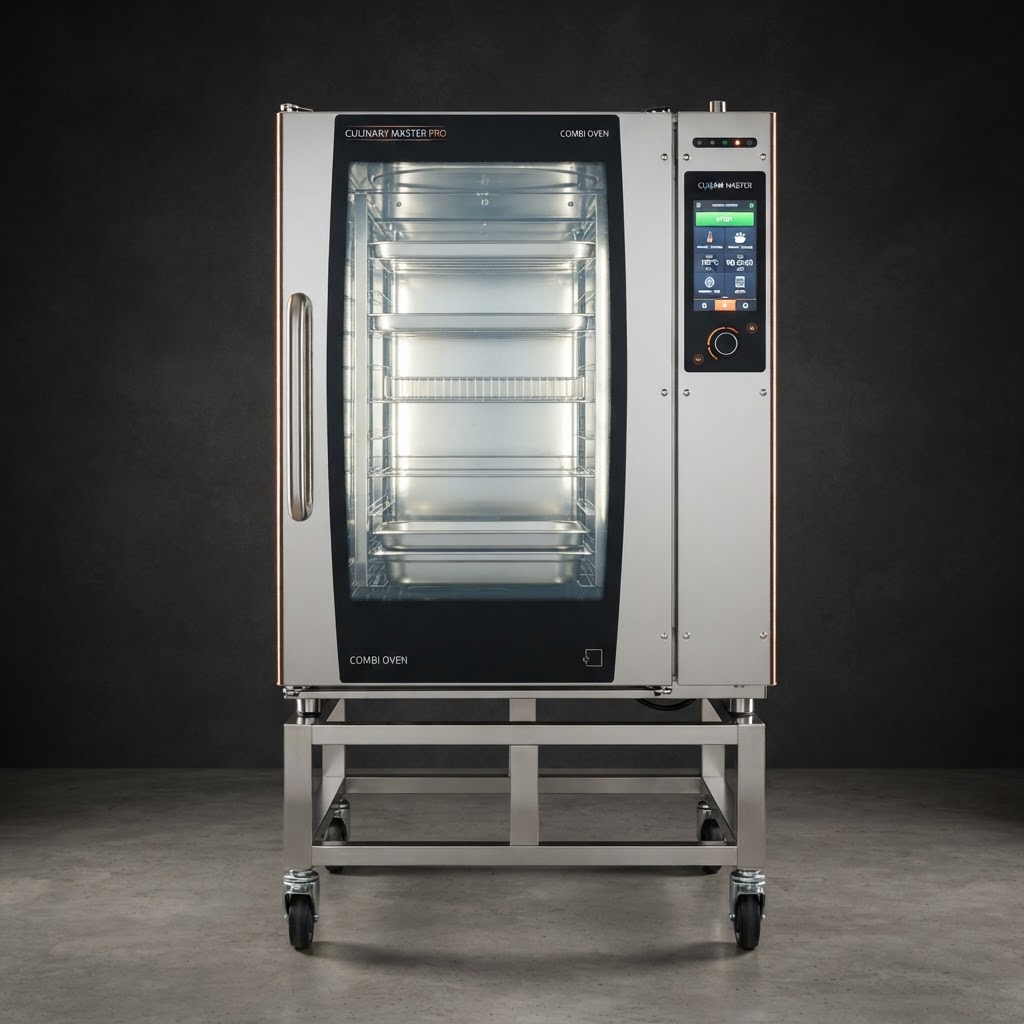
Next, consider functionality. A convection oven circulates hot air for even baking and roasting. A combi oven adds steam — opening up poaching, steaming, regeneration, and sous-vide-style cooking. If your menu spans multiple cooking methods, a combi may replace several single-function units.

Then think about power and space. Single-phase ovens plug into a standard 230V socket — ideal for smaller operations and home-based businesses. Three-phase ovens require an electrician but deliver higher output for full-service kitchens. Measure your space before you buy, and remember to allow for ventilation and clearance.

Finally, consider growth. The oven you buy today should ideally be the oven you still use in three years. But buying too big too soon is a common and expensive mistake. Start where you are, and upgrade when the business demands it — not before.
What Can You Actually Do With a Combi Oven?
Applications4 min read

What Can You Actually Do With a Combi Oven?

A combi oven isn't just for cooking chicken. It's one of the most versatile pieces of equipment in a professional kitchen.

A combi oven combines convection heat with steam injection, giving you three cooking modes in one unit: convection (dry heat), steam, and a combination of both. This versatility is what makes it one of the most valuable pieces of equipment in a professional kitchen.

In convection mode, you can bake bread, roast meats, grill vegetables, and regenerate pre-cooked items. In steam mode, you can poach fish, steam dumplings, blanch vegetables, and melt chocolate — all with precise temperature control and without drying out the product.

In combi mode, the real magic happens. You can roast a chicken with crispy skin and juicy interior, bake bread with proper crust and crumb, and regenerate pre-cooked meals to service quality. Some combi ovens also support smoking applications — hot smoking with wood chips for ribs, fish, or vegetables.

The commercial value is in the efficiency. One combi oven can replace a convection oven, a steamer, and a holding cabinet — saving space, energy, and capital. It also reduces labour: programmable recipes mean consistent results across different staff members and shifts.

Before you buy a combi, ask: What menu items will I cook in it? What volume do I need at peak? Do I need programmable controls, or will manual suffice? The right combi oven isn't the most expensive one — it's the one that matches your menu, your volume, and your growth plans.

Why Buying the Cheapest Equipment Can Cost You More
Business Fundamentals4 min read

Why Buying the Cheapest Equipment Can Cost You More

The purchase price is only part of the cost. Energy consumption, maintenance, downtime, and replacement all factor into the real cost of equipment.

It's tempting to buy the cheapest equipment that looks like it will do the job. But the purchase price is only the first payment — not the total cost. The real cost of equipment includes energy consumption, maintenance, repair, downtime, and eventually replacement.

A cheaper oven may consume more energy per cycle, costing you more every month on your electricity bill. Over three years, the energy difference alone can exceed the original purchase price gap. Cheaper equipment also tends to break down more often — and every day your oven is down is a day you can't produce.

Then there's consistency. Cheaper equipment often has less precise temperature control, meaning inconsistent results. Inconsistent results mean wasted ingredients, customer complaints, and damage to your reputation. In a food business, your reputation is your margin.

This doesn't mean you should always buy the most expensive equipment. It means you should buy the right equipment — the equipment that offers the best total cost of ownership for your specific operation. Sometimes that's a mid-range unit from a reputable brand; sometimes it's a premium unit that will last fifteen years.

We help you think through this. Tell us your volume, your menu, and your budget, and we'll help you find equipment that delivers value over its full lifespan — not just at the point of purchase.

How to Maximise Your Commercial Kitchen Equipment
Applications5 min read

How to Maximise Your Commercial Kitchen Equipment

Most kitchens use their equipment at a fraction of its capability. Here's how to get more from what you already own.

Walk into most professional kitchens and you'll find equipment being used at a fraction of its capability. The combi oven that only does roast chicken. The blast chiller that only runs after dinner service. The plancha that's never used for breakfast. Under-utilised equipment is wasted capital.

The first step to maximising your equipment is understanding what it can do. Read the manual — properly. Most manufacturers provide recipe guides and application notes that go well beyond the basics. If your combi oven has a steam function, are you using it for poaching, steaming, and reheating? If it has a probe, are you using it for precise core-temperature cooking?

The second step is menu engineering. Look at your menu and ask: which items could be produced more efficiently using equipment you already own? Could that starter be steamed in the combi instead of pan-fried? Could that dessert be baked in the convection oven instead of the pizza oven? Could that sauce be blast-chilled and held for service instead of made à la minute?

The third step is scheduling. Can you batch-produce during quiet periods and hold for peak service? A blast chiller lets you cook ahead, chill rapidly, and regenerate to order — smoothing your labour requirements and reducing waste. A combi oven with programmable recipes lets you start cooking before service begins, freeing staff for other tasks.

Sometimes the solution isn't new equipment — it's knowing how to use what you have. We can help you audit your current equipment utilisation and identify opportunities to get more from your existing investment.

Entry-Level Commercial Equipment: Where Should You Start?
Getting Started5 min read

Entry-Level Commercial Equipment: Where Should You Start?

You don't need a full commercial kitchen to start a food business. Here's what to buy first, and what to leave for later.

One of the most common questions we hear from home-based food businesses and small start-ups is: 'What equipment do I actually need to start?' The answer depends on what you're making — but there are some principles that apply regardless.

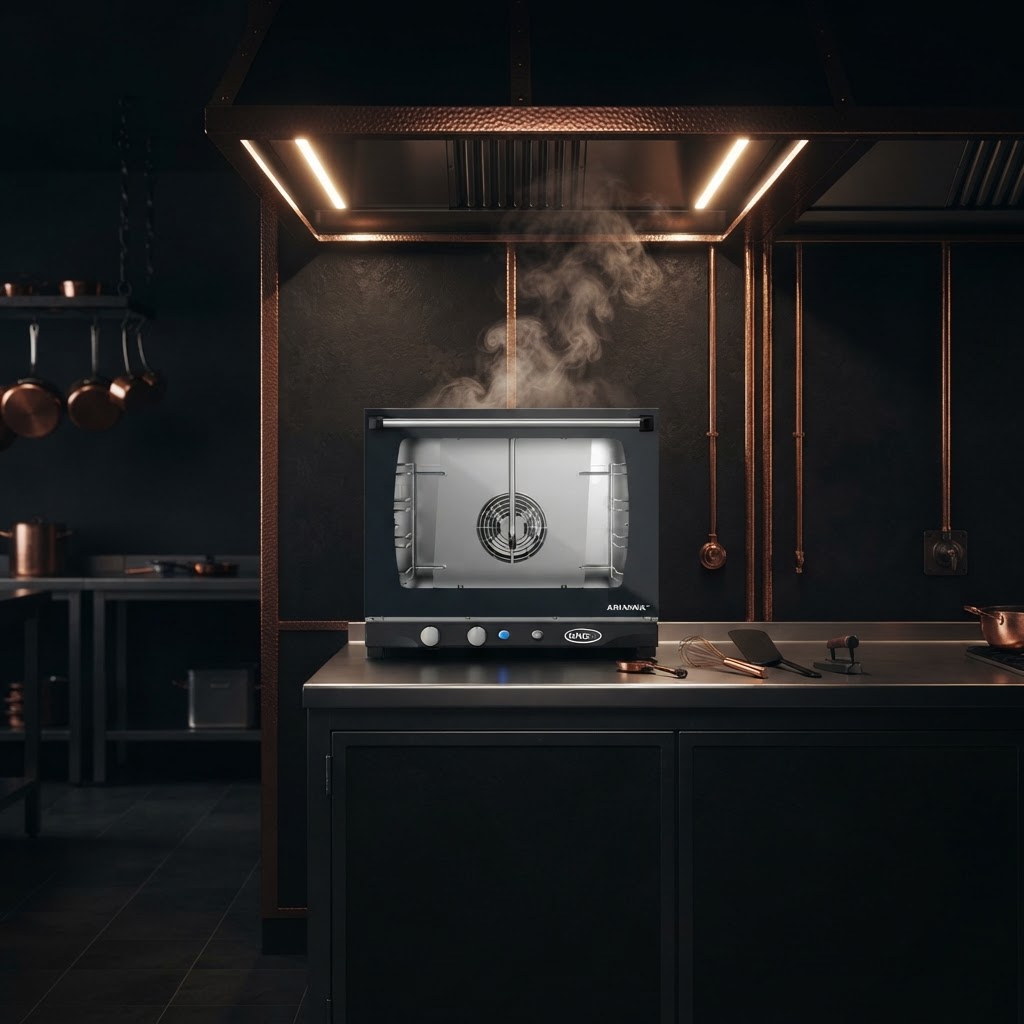
Start with the fundamentals. A reliable commercial oven, a good set of scales, professional-grade hand tools, and proper storage containers. These are the foundation. If you're baking, a convection oven with humidity control (like the Unox Arianna) will transform your results compared to a domestic oven. If you're cooking, a combi oven gives you versatility from day one.

Don't buy everything at once. Buy what you need for your current volume, and plan your upgrades as your business grows. A common mistake is to equip a kitchen for the business you hope to have in two years — and then struggle with cash flow while the equipment sits under-utilised.

Do buy quality over quantity. One good oven is better than two cheap ones. A professional-grade scale will last a decade; a consumer-grade one may need replacing every year. The same applies to smallwares — professional knives, pans, and utensils aren't a luxury, they're an investment in consistency and durability.

And don't forget training. The best equipment in the world won't help if you don't know how to use it. Pair your first equipment purchase with training on its full capability — it's the highest-ROI investment you can make in your first year.

How to Choose Commercial Refrigeration
Equipment Guides4 min read

How to Choose Commercial Refrigeration

Refrigeration is the backbone of food safety. Here's how to choose the right cold storage for your kitchen.

Commercial refrigeration isn't one-size-fits-all. The right configuration depends on your menu, your volume, your space, and your workflow. Getting it wrong can mean food safety risks, wasted energy, or a kitchen that doesn't flow.

Start with capacity. How much cold storage do you actually need? A common mistake is under-provisioning — leading to overcrowded fridges that don't maintain temperature, or staff storing food on the floor. Calculate based on your peak ingredient volume, and allow room for growth.

Next, consider the configuration. Upright fridges are space-efficient and good for smaller kitchens. Walk-in cold rooms are ideal for larger operations but require significant space and installation. Under-counter fridges keep ingredients close to the point of use, improving workflow. Chest freezers are cost-effective for bulk frozen storage but aren't accessible during service.

Think about temperature zones. Do you need separate fridge and freezer, or a combi unit? Do you need a blast chiller for rapid cooling of cooked food? Blast chilling isn't a luxury — for any kitchen that batch-produces, it's a food safety essential that also preserves quality and extends shelf life.

Finally, consider reliability and service. Commercial refrigeration runs 24/7 — a failure can mean thousands of rands of spoiled stock. Choose reputable brands with local service support, and consider temperature monitoring and alarm systems for critical storage. We can help you assess your needs and recommend the right configuration for your operation.

Blast Chilling: When Does Your Business Actually Need It?
Kitchen Fundamentals4 min read

Blast Chilling: When Does Your Business Actually Need It?

Blast chilling isn't just for large kitchens. If you batch-produce, it may be one of the most valuable investments you can make.

Blast chilling is the process of rapidly reducing the temperature of cooked food from cooking temperature to below 3°C in 90 minutes or less. This is critical because it passes food through the 'danger zone' (5°C–60°C) so quickly that bacterial growth is effectively halted.

If you cook in batches — and every commercial kitchen does — blast chilling is non-negotiable for food safety. Standard refrigeration takes hours to move food through the danger zone, which is too long. A blast chiller does it in 90 minutes, ensuring your food is safe, fresh, and profitable.

But blast chilling isn't just about safety. It also preserves quality. Rapid chilling prevents the formation of large ice crystals that destroy food texture — meaning your soups, sauces, and baked goods taste exactly as they did when fresh, even after freezing and reheating. It extends shelf life, allowing you to prep ahead, manage production schedules, and reduce waste.

How do you know if your business needs one? If you batch-produce any product — soups, sauces, stocks, baked goods, cooked proteins — and hold them for more than a few hours before service, you need a blast chiller. If you're currently cooling food in standard refrigeration, you're taking a food safety risk and compromising quality.

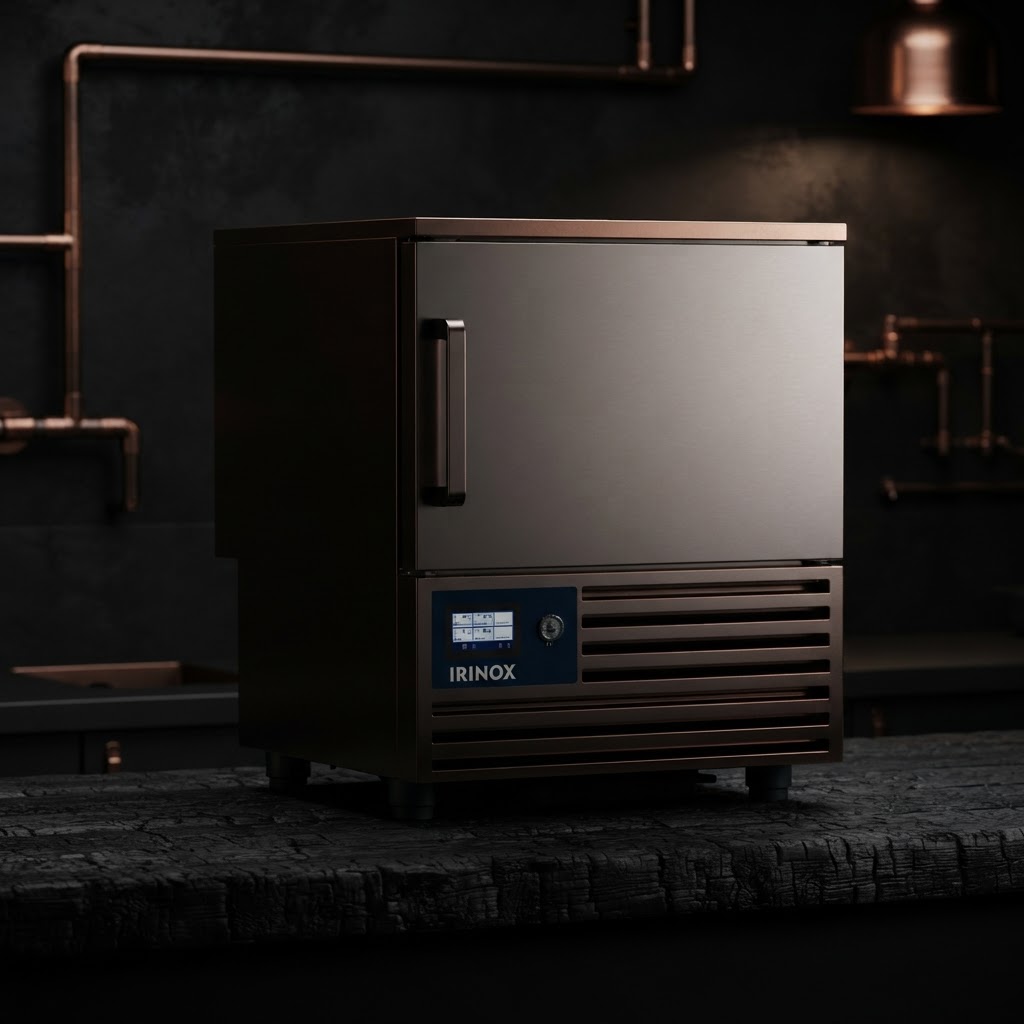
Blast chillers come in a range of capacities, from compact 3-pan units suitable for smaller operations to 5-pan and larger models for production kitchens. We can help you assess your batch volumes and recommend the right capacity for your operation.

How Equipment Choice Should Follow Your Menu
Business Fundamentals4 min read

How Equipment Choice Should Follow Your Menu

Your menu should determine your equipment — not the other way around. Here's how to align the two.

Too many kitchens are equipped first and menu-designed second. The result is equipment that doesn't match the food, or a menu constrained by what the kitchen can actually produce. The right approach is the other way around: design your menu, then choose equipment that supports it.

Start by listing every item on your menu. For each item, identify the cooking method, the preparation time, the equipment required, and the volume at peak service. This gives you a map of what your kitchen needs to do — and when.

Look for overlaps. If six menu items can be produced in a combi oven, that one piece of equipment may replace three single-function units. If four items require deep frying, you need a fryer with sufficient capacity for peak. If two items require precise temperature control, a water bath or combi with probe may be essential.

Consider timing. Which items need to be produced à la minute, and which can be prepped ahead and regenerated? This determines your equipment sequencing and your holding capacity. A combi oven with regeneration capability plus a blast chiller can transform your workflow — letting you batch-produce during quiet periods and regenerate to order during service.

We help you think through this. Bring us your menu — or your menu concept — and we'll help you map the equipment requirements, identify overlaps and efficiencies, and recommend a configuration that supports the food you want to produce, at the volume you need to produce it.

How to Choose the Right Commercial Fryer
Equipment Guides4 min read

How to Choose the Right Commercial Fryer

From chip fryers to countertop models, the right fryer depends on your volume, your menu, and your kitchen layout.

A commercial fryer is one of the most hard-working pieces of equipment in many kitchens — from fish-and-chip shops to restaurants with fried menu items. Choosing the right one means matching capacity, recovery time, and configuration to your specific operation.

Start with volume. How many portions of fried food do you produce at peak service? This determines your oil capacity needs. A countertop fryer with 5 litres of oil may suffice for a small café, while a high-volume takeaway may need a 20-litre freestanding unit or a twin-basket fryer for simultaneous frying of different products.

Next, consider recovery time — the time it takes for the oil to return to cooking temperature after food is added. Cheaper fryers with underpowered heating elements struggle to recover quickly, meaning soggy, poorly cooked food during busy service. A fryer with good recovery time maintains temperature under load, producing consistent results.

Think about configuration. Single-basket fryers are compact and affordable. Twin-basket fryers let you fry different products simultaneously without flavour transfer. Tube-style fryers are easier to clean, while open-pot fryers offer better heat transfer. If you're frying battered or breaded products heavily, a tube-style fryer with a wide cold zone prevents sediment burning.

Don't forget about oil management. The quality of your oil directly affects the quality of your food. Look for fryers with efficient sediment zones, easy drainage, and good temperature control. Some operations benefit from a filtration system that extends oil life and reduces running costs. We can help you assess your frying volume and recommend the right fryer for your menu and budget.

What Smallwares Does a Professional Kitchen Need?
Kitchen Fundamentals5 min read

What Smallwares Does a Professional Kitchen Need?

Smallwares are the backbone of every kitchen. Here's a practical guide to what you actually need — and what you can add later.

When most people think of equipping a kitchen, they think of the big equipment — ovens, fridges, fryers. But the smallwares are what your staff actually use every minute of every service. Getting the smallwares right is just as important as choosing the right oven.

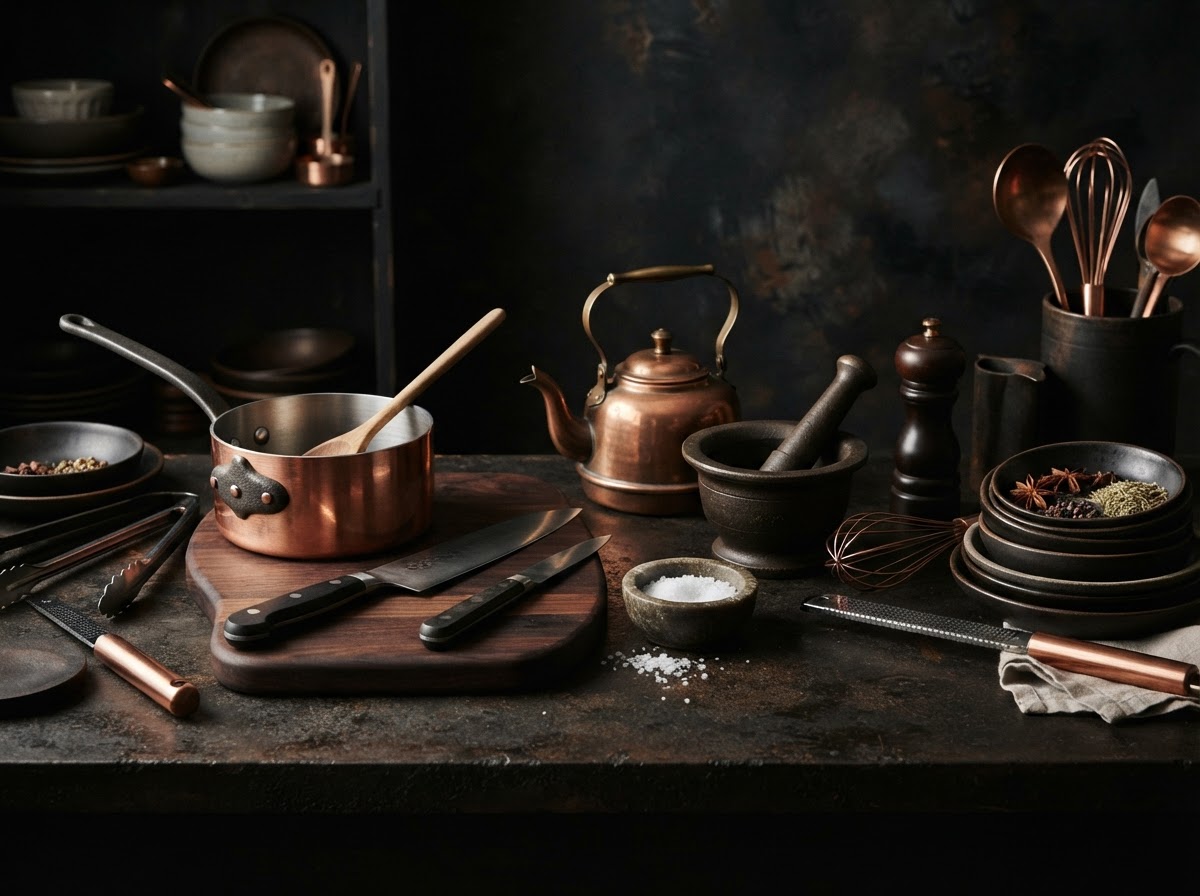
Start with the essentials: a professional-grade knife set (chef's knife, paring knife, bread knife, and steel), cutting boards in colour-coded sets for food safety, mixing bowls in various sizes, measuring jugs and scales, and a core set of utensils — spatulas, ladles, tongs, whisks, and a thermometer. These are non-negotiable.

Next, consider your cookware. Stainless steel pots and pans are the professional standard — durable, induction-compatible, and versatile. You'll need a range of sizes from small saucepans to large stock pots. Cast iron pans are essential for high-heat cooking and oven-to-table service. Non-stick pans are useful for delicate items like eggs and fish.

Then think about service. Your crockery, cutlery, and glassware define your customer's experience. Professional porcelain like Bonna offers durability and aesthetic appeal for hotels and restaurants. Professional glassware from Ocean is designed for the demands of commercial service — durable enough to survive daily use, elegant enough for fine dining.

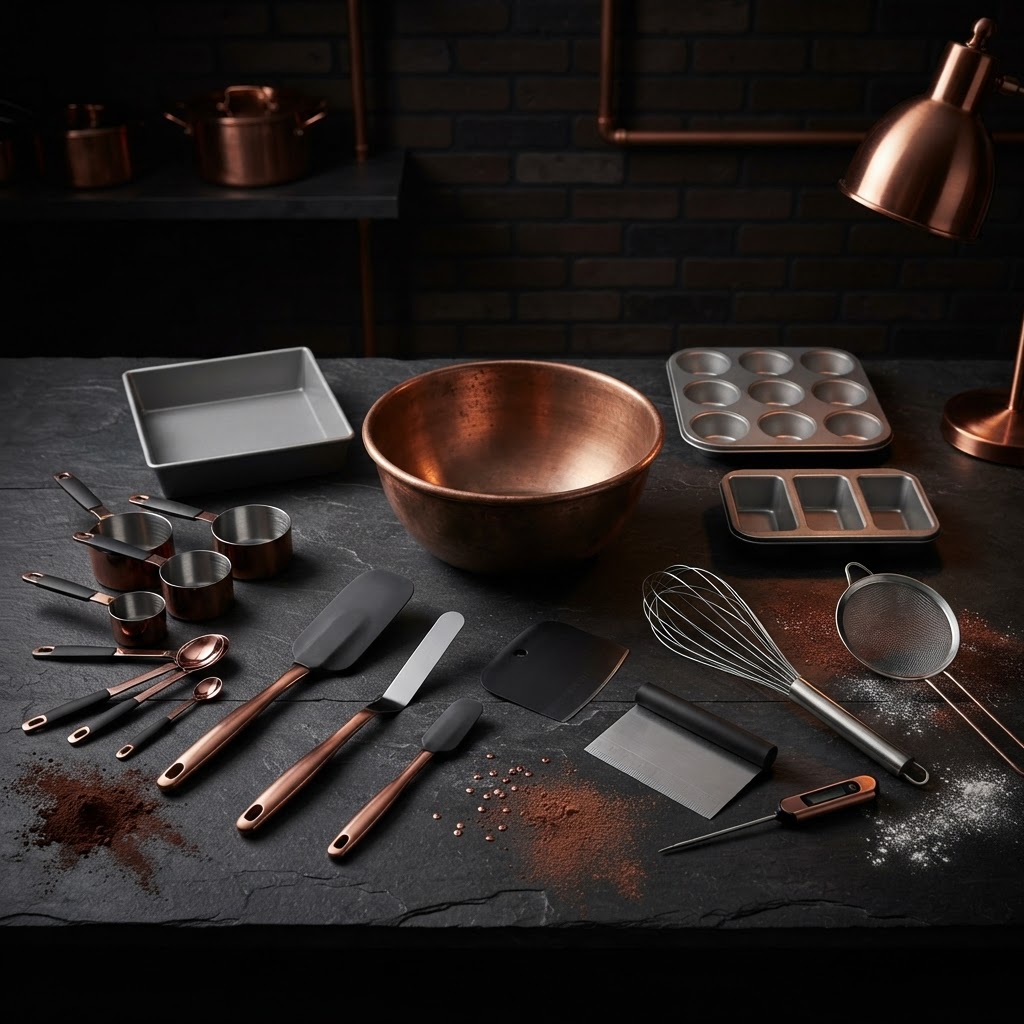
Finally, consider the specialist items your menu demands. A pasta restaurant needs pasta cookers and colanders. A bakery needs baking tins, piping bags, and dough scrapers. A bar needs shakers, jiggers, and strainers. Tell us what you're cooking and we'll help you build the complete list — from the essentials to the specialist items that make your kitchen run smoothly.

How to Build a Professional Kitchen on a Limited Budget
Getting Started5 min read

How to Build a Professional Kitchen on a Limited Budget

You don't need every piece of equipment on day one. Here's how to prioritise, phase, and build properly as you grow.

One of the biggest mistakes new food businesses make is trying to equip a complete commercial kitchen on day one. The result is often financial strain, under-utilised equipment, and cash flow problems that threaten the business before it has a chance to grow.

The better approach is to start where you are and build properly. Identify what you actually need to produce your first menu, invest in quality for those items, and plan your equipment upgrades as your revenue grows. This is the philosophy behind everything we do: start where you are, build properly, grow with us.

Phase one is the essentials. A reliable commercial oven, a professional-grade scale, good knives, and proper storage containers. If you're baking from home, a convection oven with humidity control will transform your results. If you're cooking, a combi oven gives you versatility from day one. Don't compromise on quality for these core items — they're the foundation of your production.

Phase two is expansion. As your volume grows, add the equipment that increases your capacity or efficiency — a blast chiller for batch production, a commercial fridge for ingredient storage, a food processor for preparation efficiency. Each addition should be driven by a specific bottleneck in your current operation, not by what looks impressive in a catalogue.

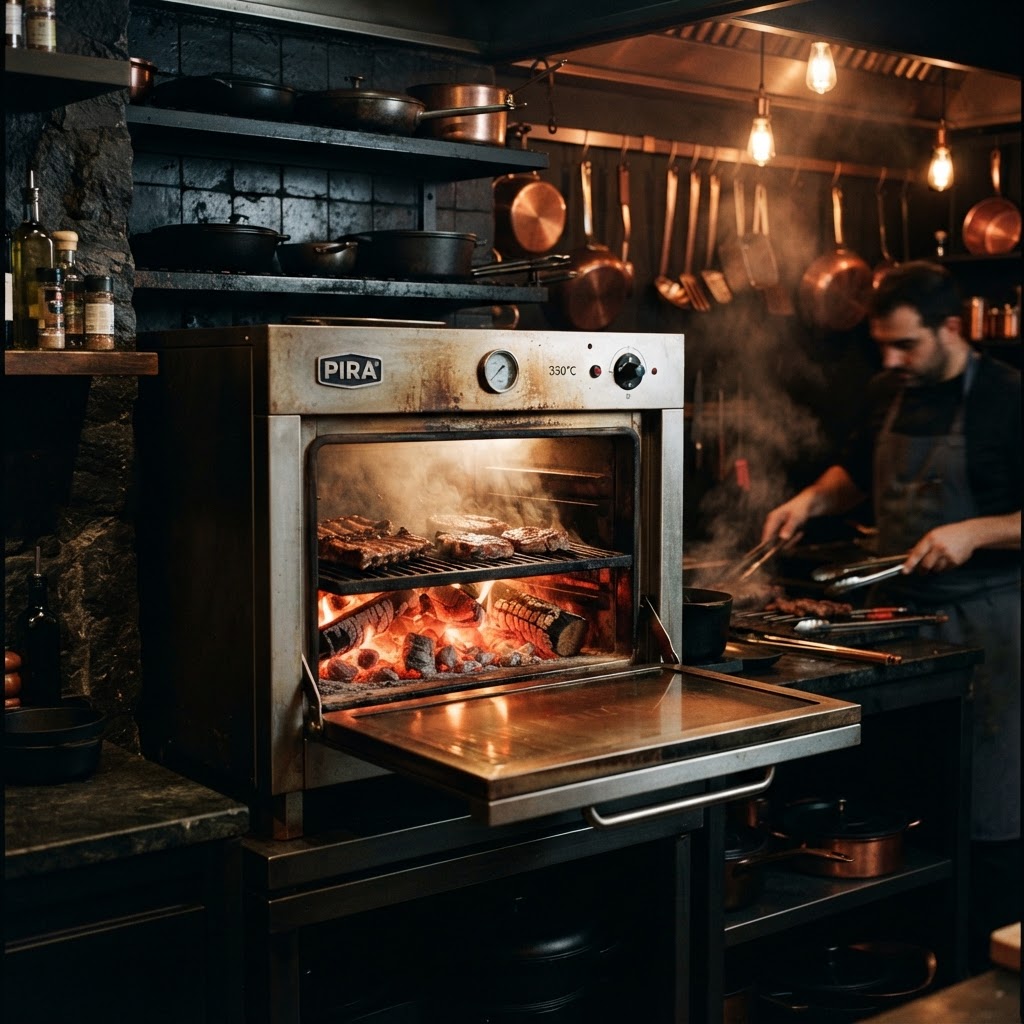
Phase three is optimisation. Once your core operation is stable, look at equipment that improves quality, reduces labour, or opens new menu possibilities. This is where specialist equipment like smokers, charcoal ovens, or molecular gastronomy tools come in. We can help you plan this phased approach — from a home-based start-up to a full commercial kitchen — and ensure each investment is the right one for your stage of growth.

Ready to choose the right equipment?

Explore our commercial kitchen equipment range, or tell us what you're trying to build and we'll help you find the right solution.

Cookies & tracking

We use essential cookies to keep the site working (sign-in, cart, your cookie choice). With your permission we also use analytics cookies to understand how the site is used. See our Cookie & Tracking Policy.